

Friday was Brooklyn day, and it turned into one of those travel days that somehow included a famous bridge, a pizza rivalry, two breweries, a subway stupidity tax, an accidental Mexican food discovery, and an evening among the tombstones.
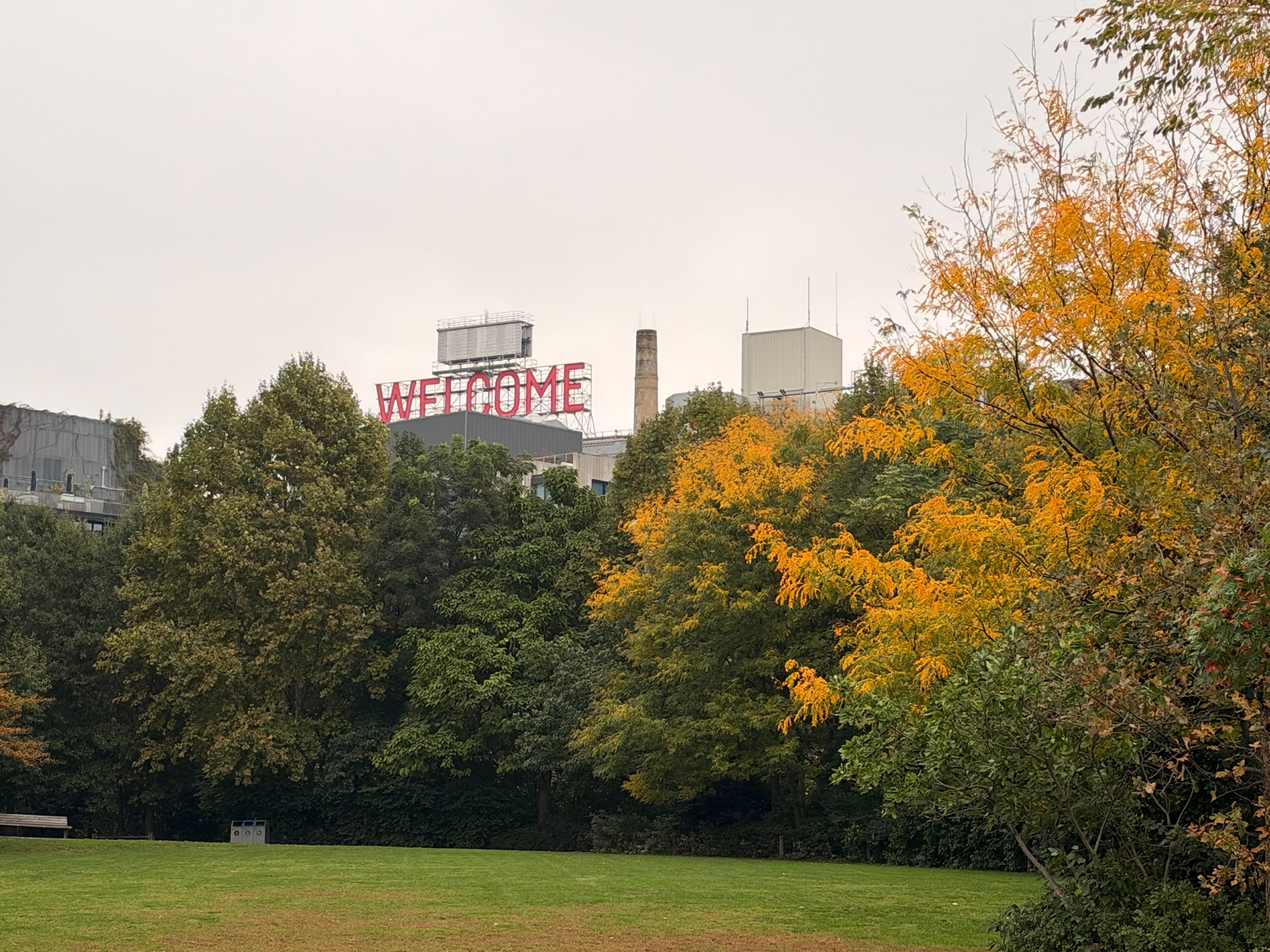
In other words, a perfectly ordinary Friday for us.
The weather wasn’t particularly cooperative: cloudy skies, scattered showers, and enough humidity to remind us that we were a very long way from Seattle.
We managed to miss most of the rain, which was fortunate. The clouds did nothing to cool things down, though, and the air felt like a laundry room with poor ventilation.
I’m beginning to understand why New Yorkers walk so quickly. They’re trying to get somewhere with air conditioning.
Our plan was simple: cross the Brooklyn Bridge, explore a few neighborhoods, find some great food, and hopefully discover a brewery or two along the way.
A perfectly reasonable itinerary.
If you happen to be training for a marathon, have the knees of a twenty-year-old, and consider “rest” a character flaw.
We started near City Hall, where I insisted on making one very important stop.
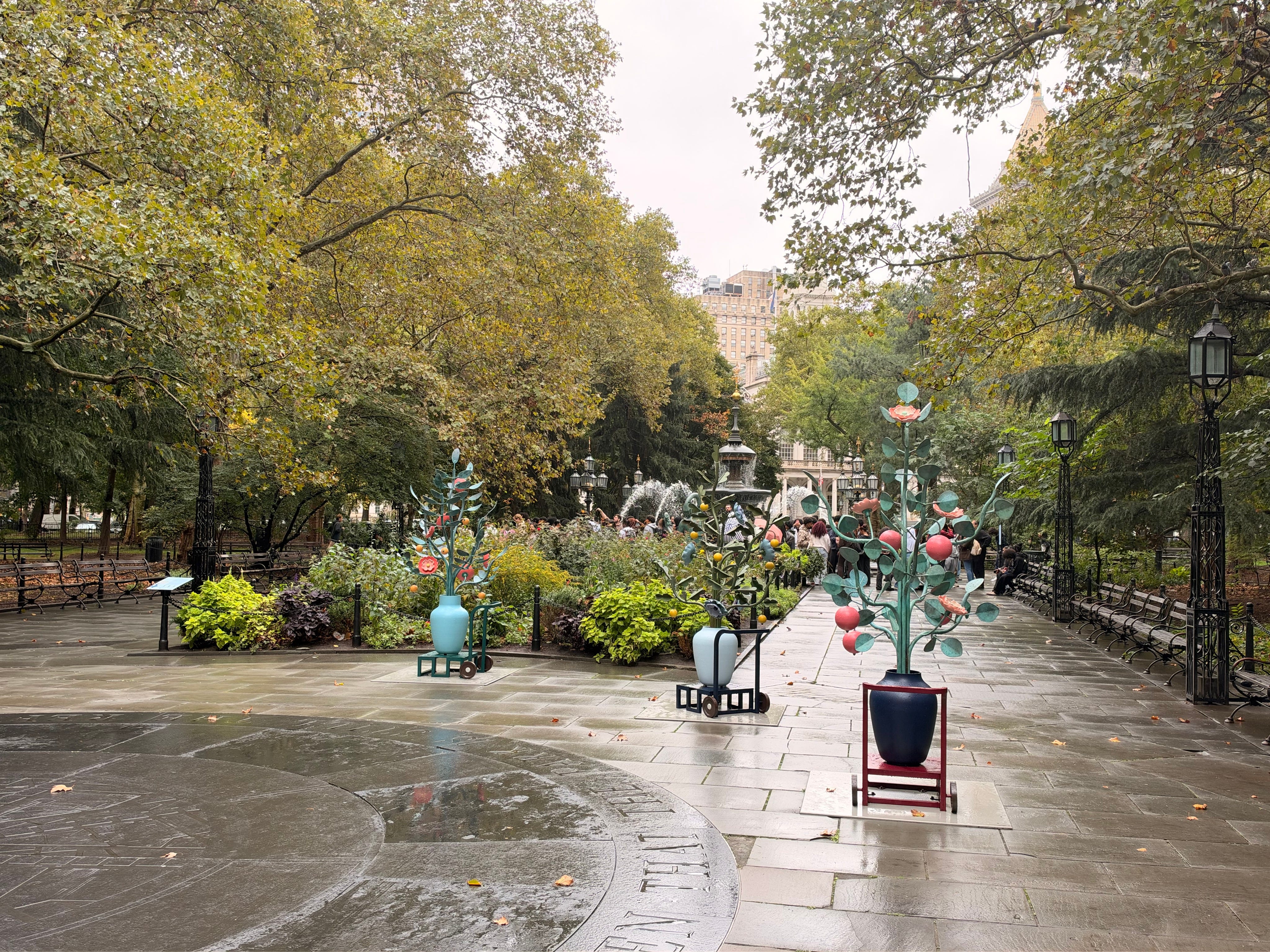
The City Hall gift shop.
I was looking for a Mamdani T-shirt.
Some people visit City Hall to appreciate the architecture or contemplate the workings of municipal government.
I wanted political merchandise.
Matt, having been married to me long enough, understands that sometimes it’s best to just go along with these things. Marriage is, after all, largely about choosing which battles are worth fighting and which ones involve a woman determined to buy a T-shirt before breakfast.
Unfortunately, no luck.
Apparently, the City Hall gift shop isn’t quite the political souvenir destination I had envisioned.
So we headed toward the Brooklyn Bridge, my wardrobe no more politically provocative than when we’d arrived.
The bridge itself was spectacular.
We’ve all seen it in movies, television shows, and approximately a billion photographs, but actually crossing it is something else. The enormous stone towers, the web of cables stretching in every direction, Manhattan behind us, Brooklyn ahead—it’s one of those places that really does live up to its reputation.
And considering it’s been there since 1883, it’s holding up considerably better than my knees.
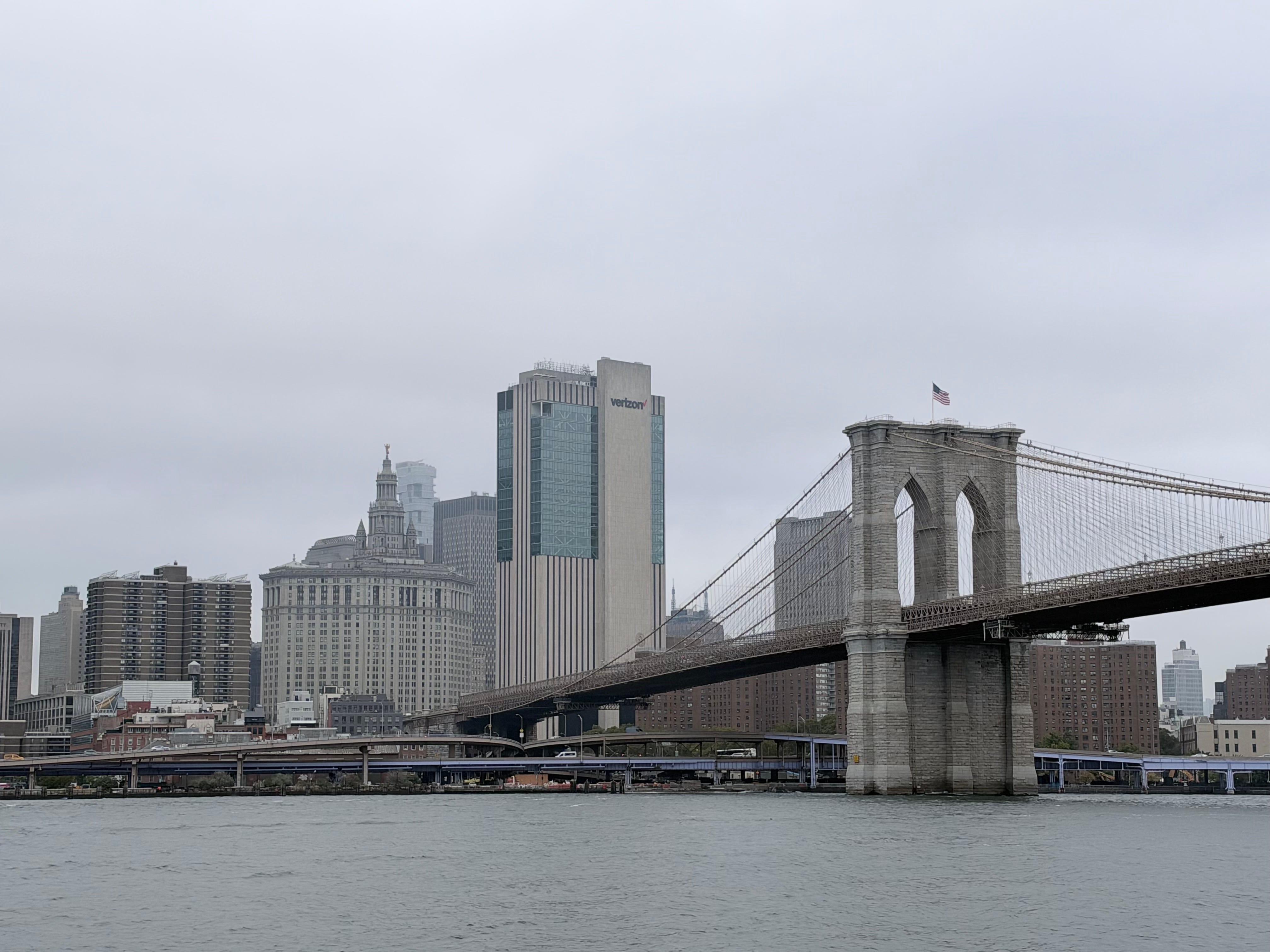
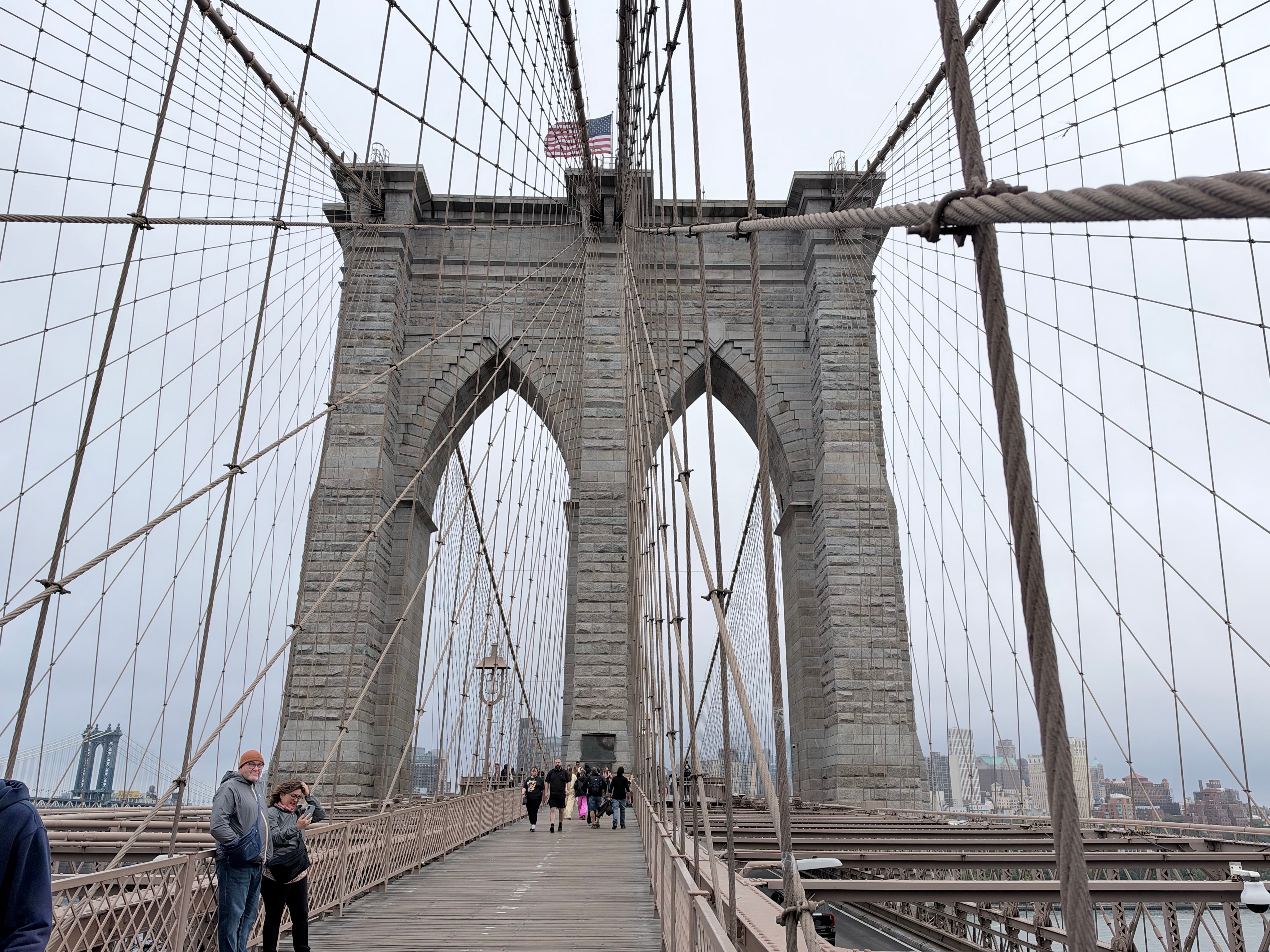
We stopped for photographs, admired the skyline, and enjoyed the occasional breeze. By the time we reached Brooklyn, we were ready to explore.
Or at least ready to find somewhere with a chair.
Our first stop was DUMBO.
Yes, DUMBO.
Short for Down Under the Manhattan Bridge Overpass.
Only New York could take an old warehouse district, give it a ridiculous name, and turn it into one of the trendiest and most expensive neighborhoods in the city.
We explored the cobblestone streets, found the famous view of the Manhattan Bridge framed between the buildings, and took the obligatory photographs.
You know the picture.
The one everyone who has ever visited Brooklyn seems to have taken.
Naturally, we needed our own.
Travel rule number one: if a view has become an Instagram cliché, you are legally required to photograph it anyway.
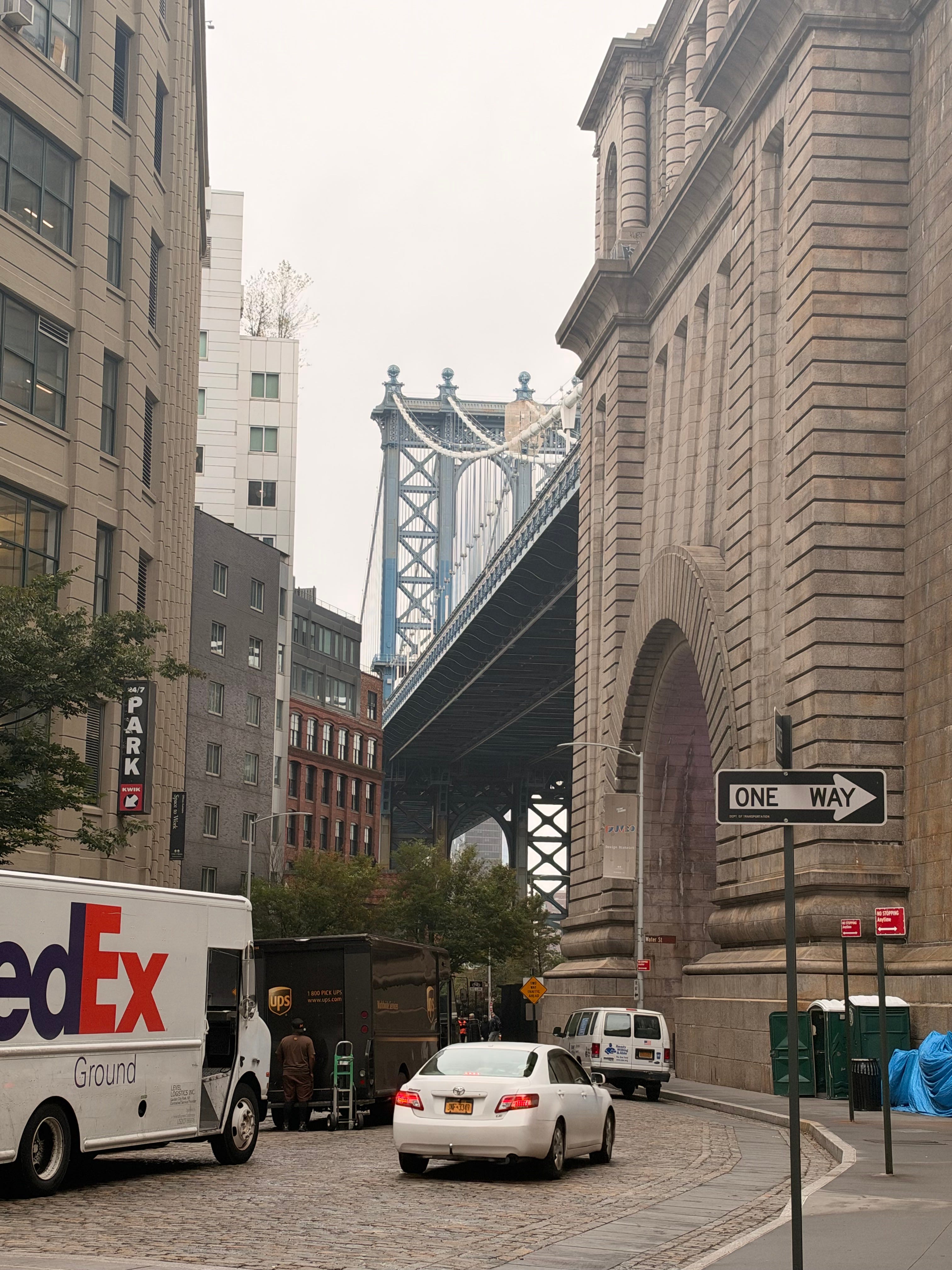
We also stopped along the waterfront to enjoy the views back toward Manhattan. There’s a beautiful old carousel sitting in a glass pavilion beside the river, which is a lovely thing to stumble upon in the middle of a city this enormous.
But there was something more important on the agenda.
Pizza.
And apparently, even pizza comes with family drama in Brooklyn.
We were deciding between two famous places, Grimaldi’s and Juliana’s, which sit practically next door to each other in DUMBO.
The short version is that the man who started Grimaldi’s sold the business, then eventually returned and opened Juliana’s in the original location.
So now the original pizza guy is operating under a different name, while the original business is next door.
Only in New York could ordering a pizza require a flowchart, a family tree, and possibly legal counsel.
We chose Juliana’s.
And it was fantastic.
Exactly the kind of New York pizza we’d been hoping to find.
Matt was happy. I was happy. And for a brief moment, we were sitting down, which was becoming increasingly important.
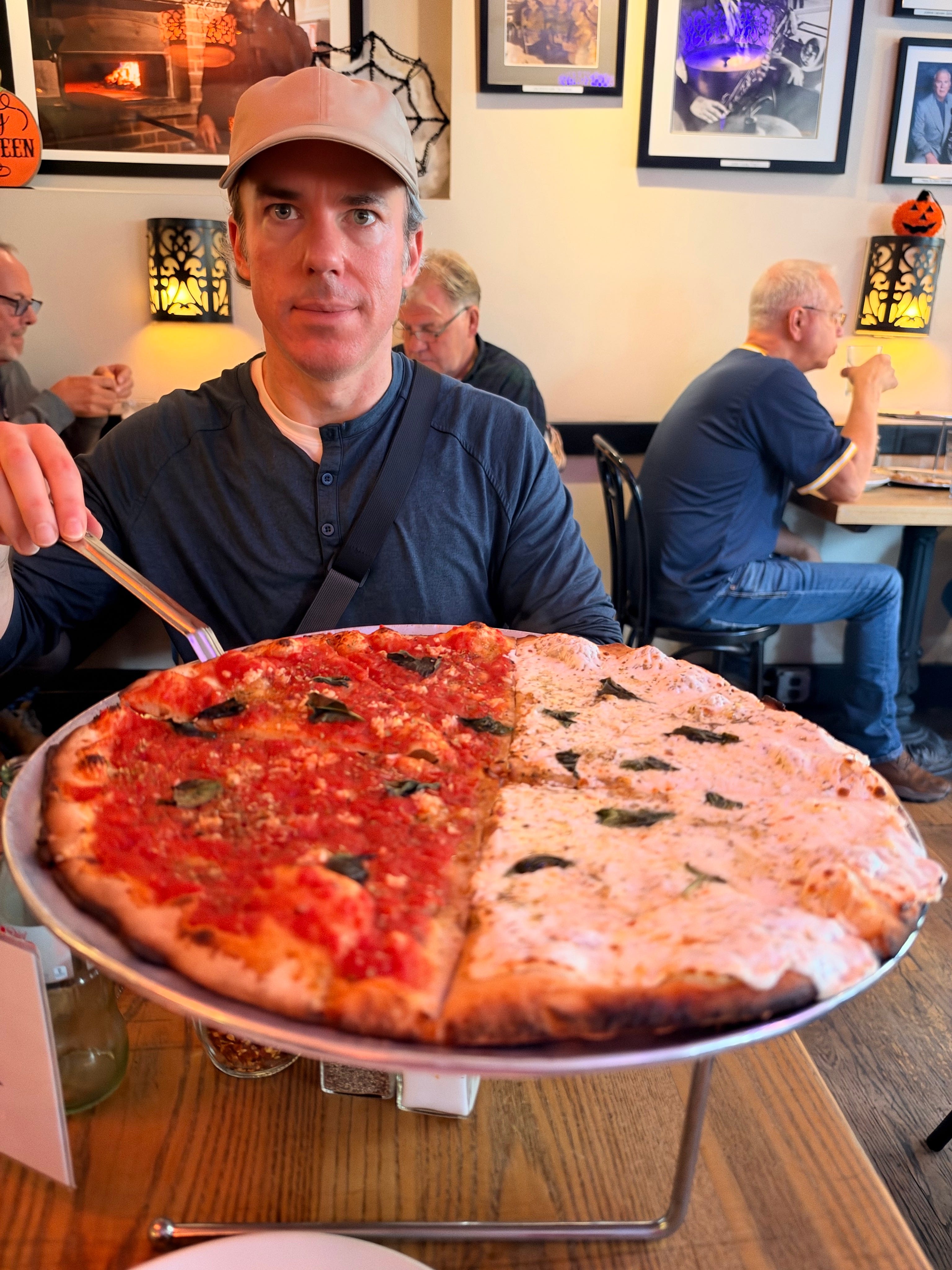
At that point, a chair wasn’t furniture. It was a spiritual experience.
With our pizza cravings satisfied, we made our way into Brooklyn Heights, which might be one of the prettiest neighborhoods we’ve seen so far.
Beautiful old brownstones, tree-lined streets, and front stoops that practically beg you to sit down with a cup of coffee and pretend you live there.
I’m fairly certain we passed the Huxtables’ house somewhere along the way. At least, every other brownstone looked like it could have belonged to them.
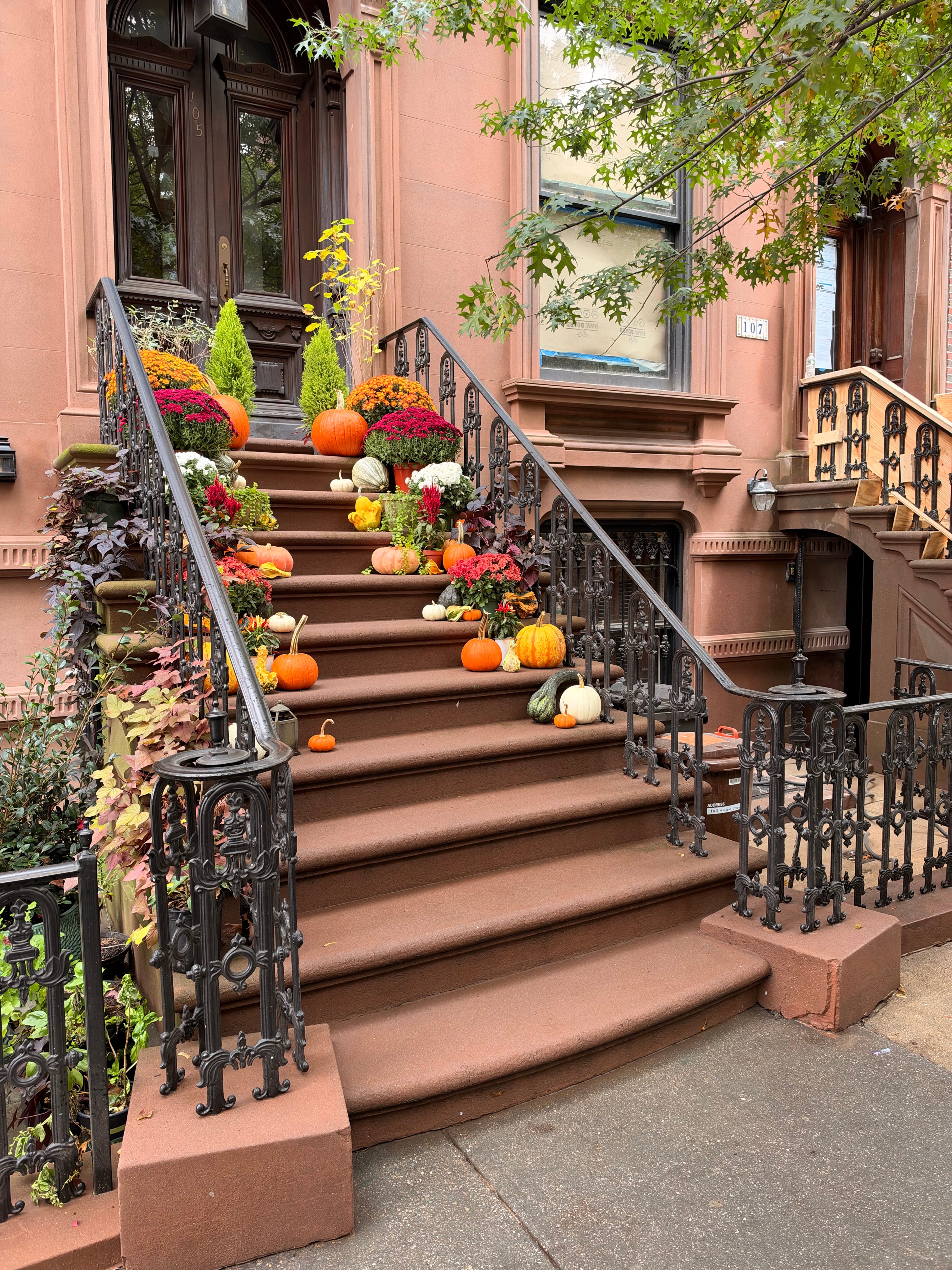
Still, I was convinced Cliff Huxtable could come strolling down the sidewalk at any moment, probably carrying a sweater and dispensing unsolicited wisdom.
We also passed Plymouth Church, which has a fascinating connection to the Underground Railroad. Its famous minister, Henry Ward Beecher, was an outspoken abolitionist, and the church played a role in the fight against slavery.
It’s one of those things I love about New York. You’re admiring someone’s ridiculously expensive house, and suddenly you’re standing in front of a place that helped change American history.
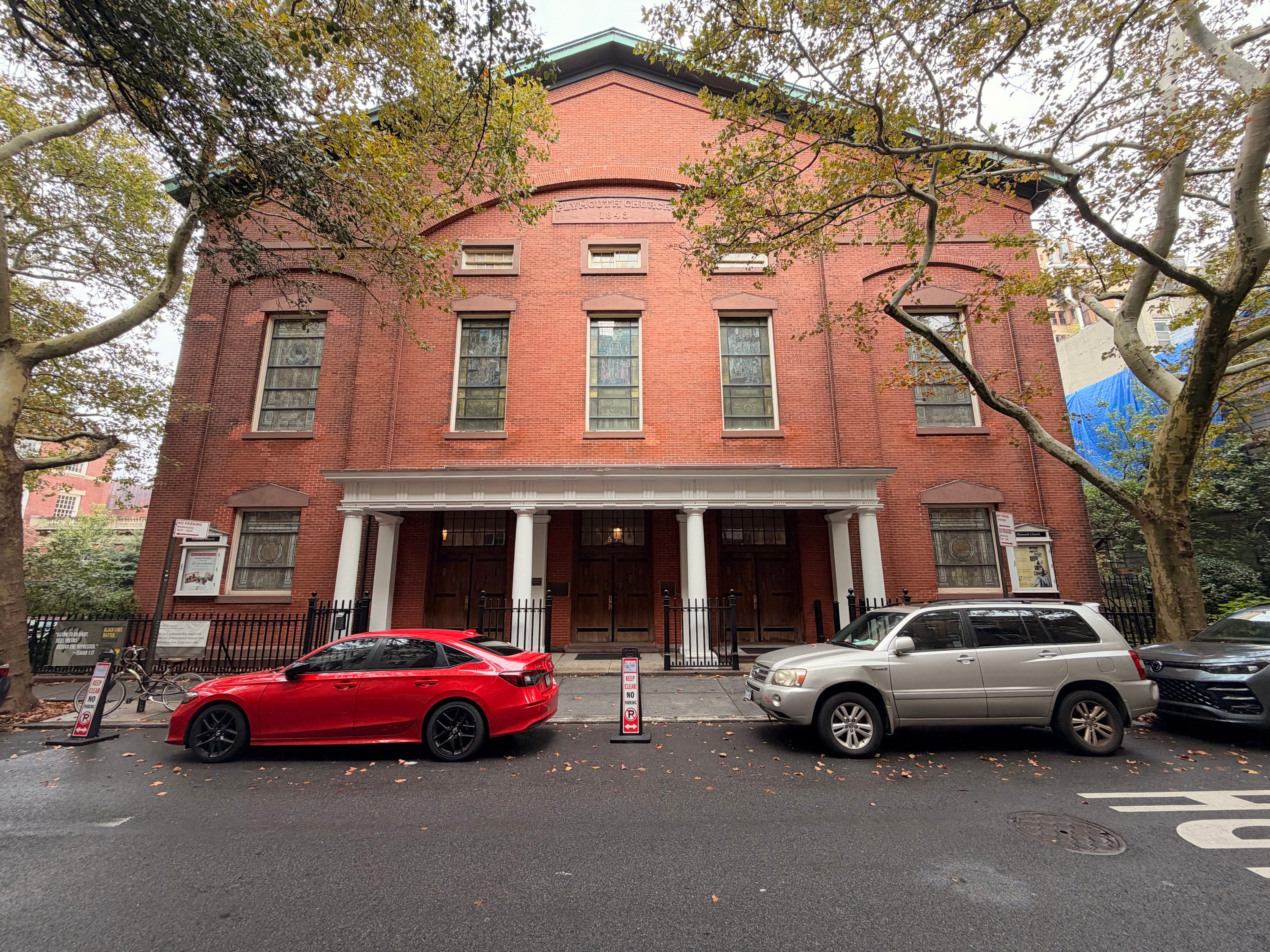
Then it’s back to wondering how much one of those brownstones costs.
Probably more than I’d like to know.
Actually, probably more than I’d like to know even if I won the lottery.
From there, we continued through Brooklyn with a general destination and the hope of finding something interesting along the way.
That’s really our preferred method of exploring a city: choose a direction, take the streets that look appealing, and see what happens.
It’s a charming philosophy until you realize you’ve been walking for three hours and your destination is still “somewhere over there.”
We left the busy waterfront behind and passed through neighborhoods filled with brownstones, little shops, restaurants, and people simply going about their lives.
I love this part of traveling.
The famous sights are wonderful, but I also want to see the places where people actually live.
And preferably find a good coffee shop or brewery along the way.
Which brings me to something I feel rather strongly about.
Beer.
And coffee.
Two things the Pacific Northwest does exceptionally well.
Coming from the Seattle area, we’re spoiled. We have practically as many independent breweries as gas stations and Starbucks.
And considering how many Starbucks locations we have, that’s saying something.
I love finding neighborhood breweries when we travel—not the enormous commercial operations, but the places where someone is making good beer and the locals are hanging out.
It’s also one of my favorite ways to bring home a souvenir.
Forget the miniature Statue of Liberty.
Give me a brewery T-shirt.
When we were in Tokyo, finding little craft breweries wasn’t nearly as easy as it is back home. The East Coast is making progress, but I still think they’ve got some catching up to do.
I’ll start the argument now.
West Coast rules. East Coast drools.
There.
I’ve said it.
Let the beer wars begin.
I’m sure this will be handled with the maturity and restraint normally associated with international diplomacy.
By three o’clock, we’d already logged 18,000 steps.
Eighteen thousand.
My feet were beginning to protest, but there was a brewery ahead, so we pressed on.
This is how bad decisions happen. You’re exhausted, your feet are filing grievances, and then someone says, “There’s a brewery just a little farther.”
Suddenly, you’re willing to walk another mile for a beverage you could have had at the hotel.
Our destination was Gowanus, an old industrial neighborhood that’s found a new life with breweries, restaurants, and other interesting little businesses.
Our first stop was Threes Brewing, exactly the kind of neighborhood brewery I love finding when we travel.
From there, we visited Wild East Brewing, which had a nice selection of European-style beers along with the usual American craft offerings.
It’s always refreshing to find something beyond the endless parade of hazy IPAs.
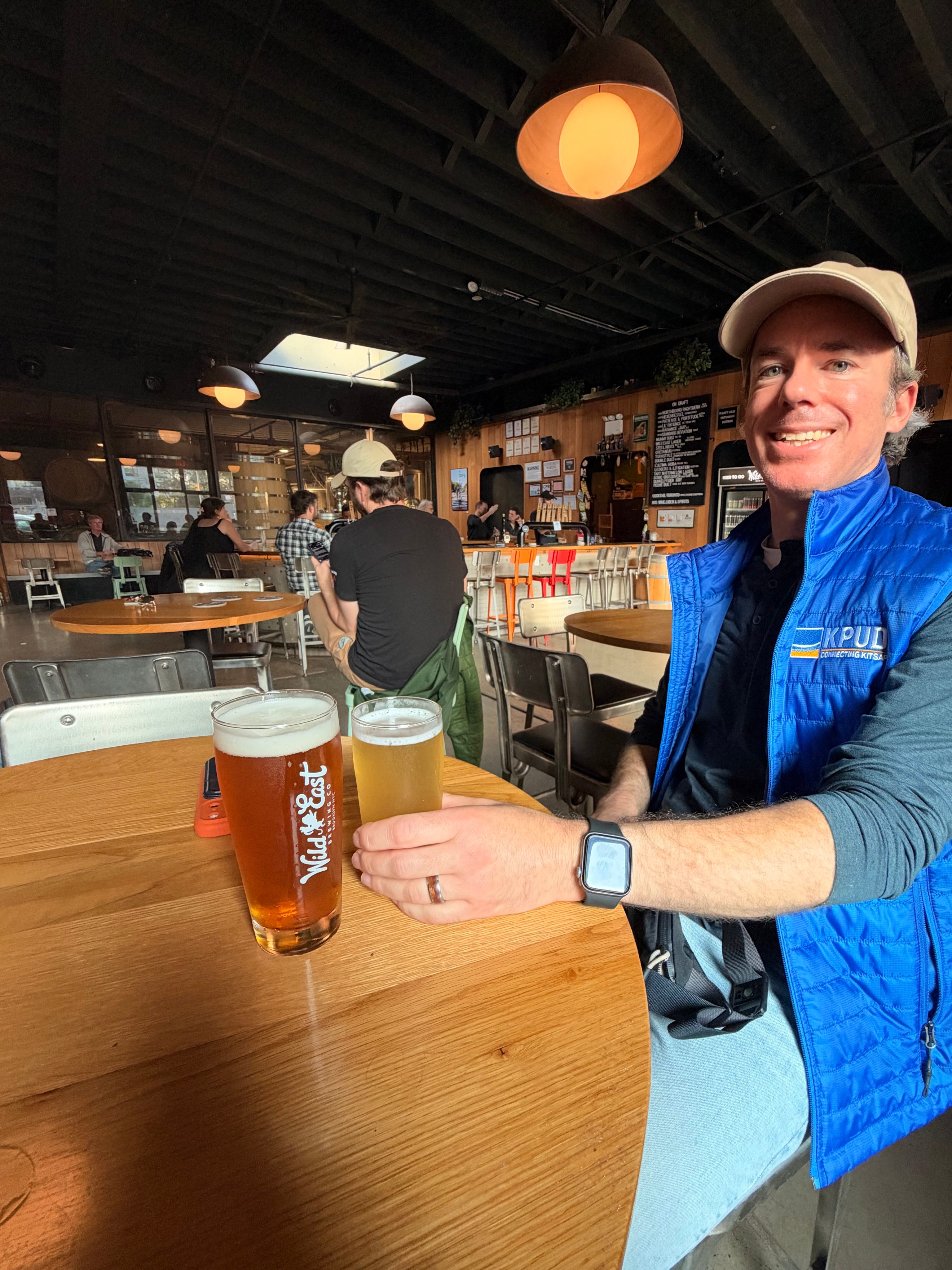
At this point, I’m convinced some breweries are legally required to have at least one beer that looks like orange juice and tastes like a tropical fruit salad having an identity crisis.
Sitting down with a good beer felt like a genuine accomplishment.
Some people reward themselves with a spa treatment.
I reward myself with a pilsner.
Of course, I was also hunting for the perfect brewery T-shirt.
And once again, no luck.
First the City Hall gift shop failed me.
Now the breweries were letting me down.
Apparently, New York is determined to send me home without any new clothing.
Matt may consider this a victory.
Still, the beer was good, the atmosphere was great, and Brooklyn was earning some respect.
I’m not ready to surrender my West Coast allegiance, but I’ll give them credit.
They’re trying.
With our brewery explorations complete, it was time to head toward our evening plans. That’s when our growing confidence in the New York subway system took a bit of a hit.
Actually, two hits.
First, we entered a subway station on the wrong side of the street, which meant the trains were heading in entirely the wrong direction.
No problem, we thought. We’ll just cross over to the other platform.
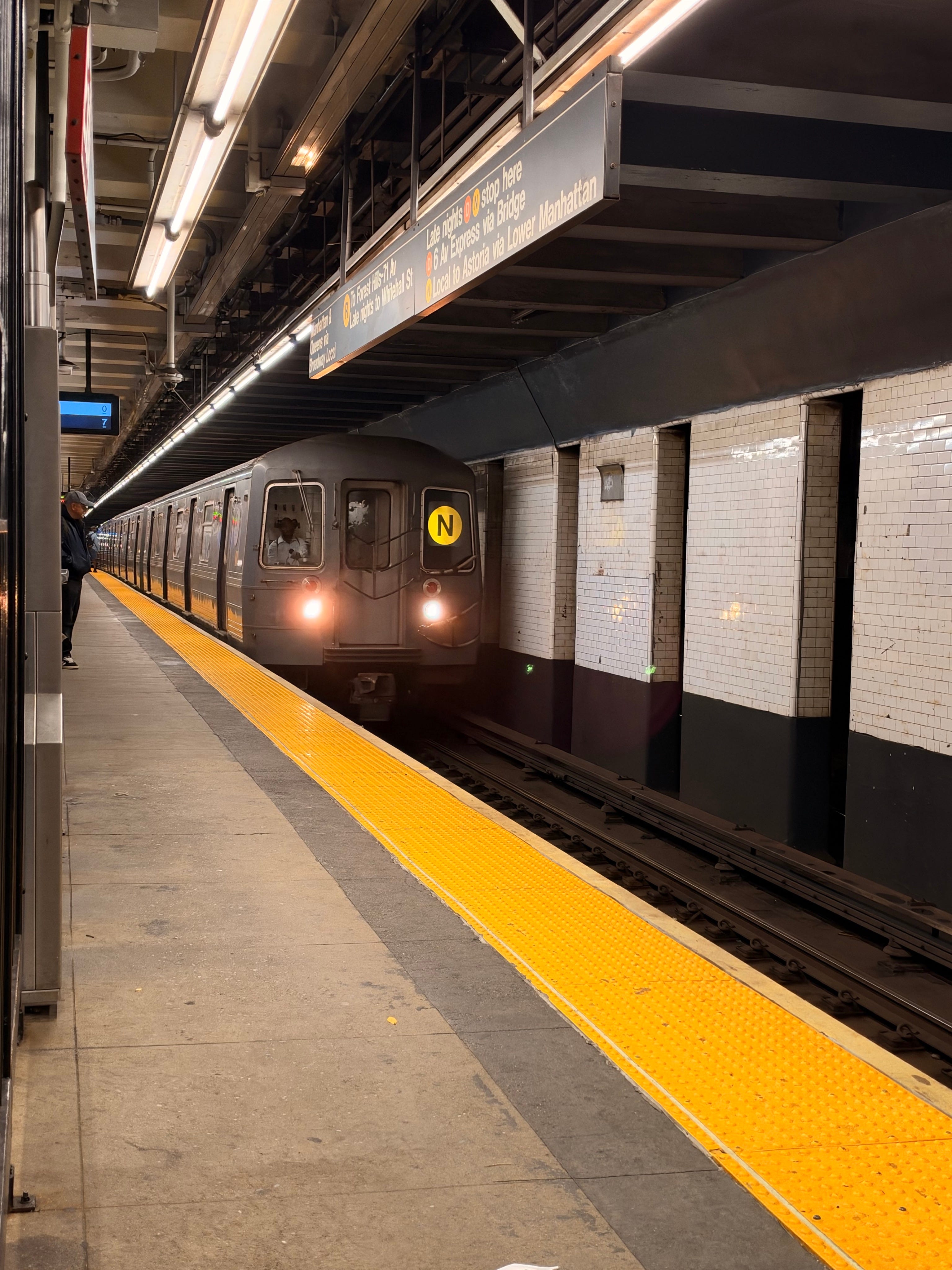
Except we couldn’t.
We had to leave the station, cross the street, and pay again.
Apparently, New York charges a stupidity tax, and we’d just made our first contribution.
The subway system had looked at us, assessed our confidence, and decided to humble us financially.
Then, feeling confident once again, we hopped aboard the N train.
Unfortunately, we needed the D.
I’m beginning to think the New York subway system was designed by someone who really enjoys practical jokes.
In Tokyo, we had our nice, simple, color-coded train lines.
Find the red line. Get on the red train. Everything works beautifully.
New York expects you to know the alphabet, the direction of travel, the express-versus-local situation, and which side of the street you’re supposed to enter from.
It’s less public transportation and more an entrance exam.
Fortunately, we realized our mistake, got off, and waited for the correct train.
And somehow, despite our best efforts, we still managed to avoid accidentally ending up in Queens.
Small victories.
Eventually, we found ourselves in Greenwood Heights, a Brooklyn neighborhood we hadn’t planned to explore.
And we were hungry.
Really hungry.
The kind of hungry where the next restaurant doesn’t need good reviews. It just needs a door.
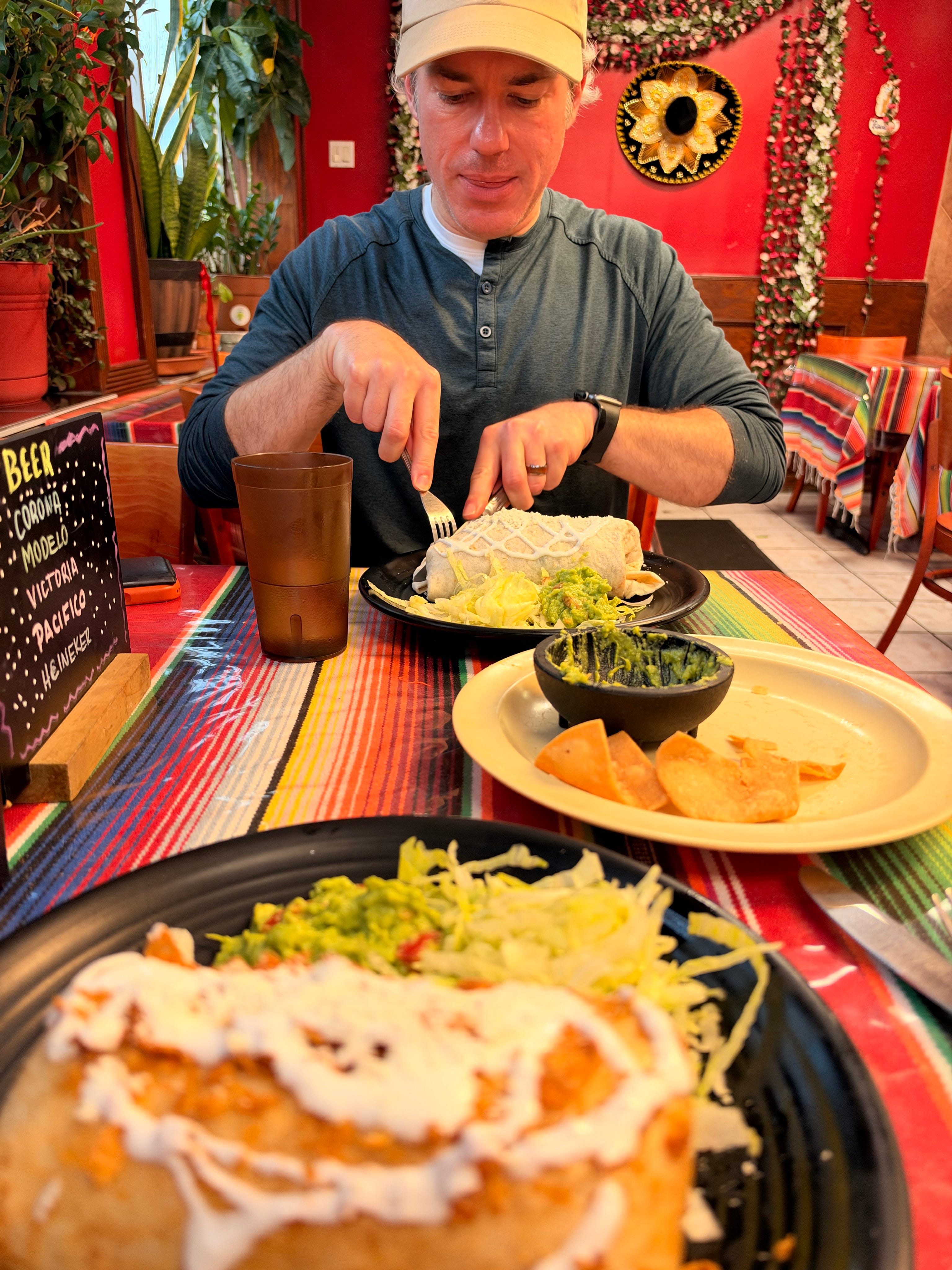
We stumbled into a little Mexican restaurant called Pablito’s.
What a find!
The food was absolutely amazing—one of the best unplanned meals we’ve had on this trip.
I love when that happens.
You spend hours researching restaurants, reading reviews, comparing menus, and trying to find the perfect place to eat. Then you stumble into somewhere because you’re hungry and it happens to be nearby, and it turns out to be fantastic.
Sometimes the best travel experiences are the ones you never planned.
Sometimes they’re the ones you find because your blood sugar has become a public safety concern.
And then came the most unusual part of our Friday night.
While most people visiting New York might head to a Broadway show, a nightclub, or a fancy restaurant, we decided to spend our evening in a cemetery.
Yes.
A cemetery.
Green-Wood Cemetery, to be exact.
At night.
In October.
Because apparently that’s our idea of a good time.
Some couples go dancing. Some order room service. We tour cemeteries after dark and call it culture.
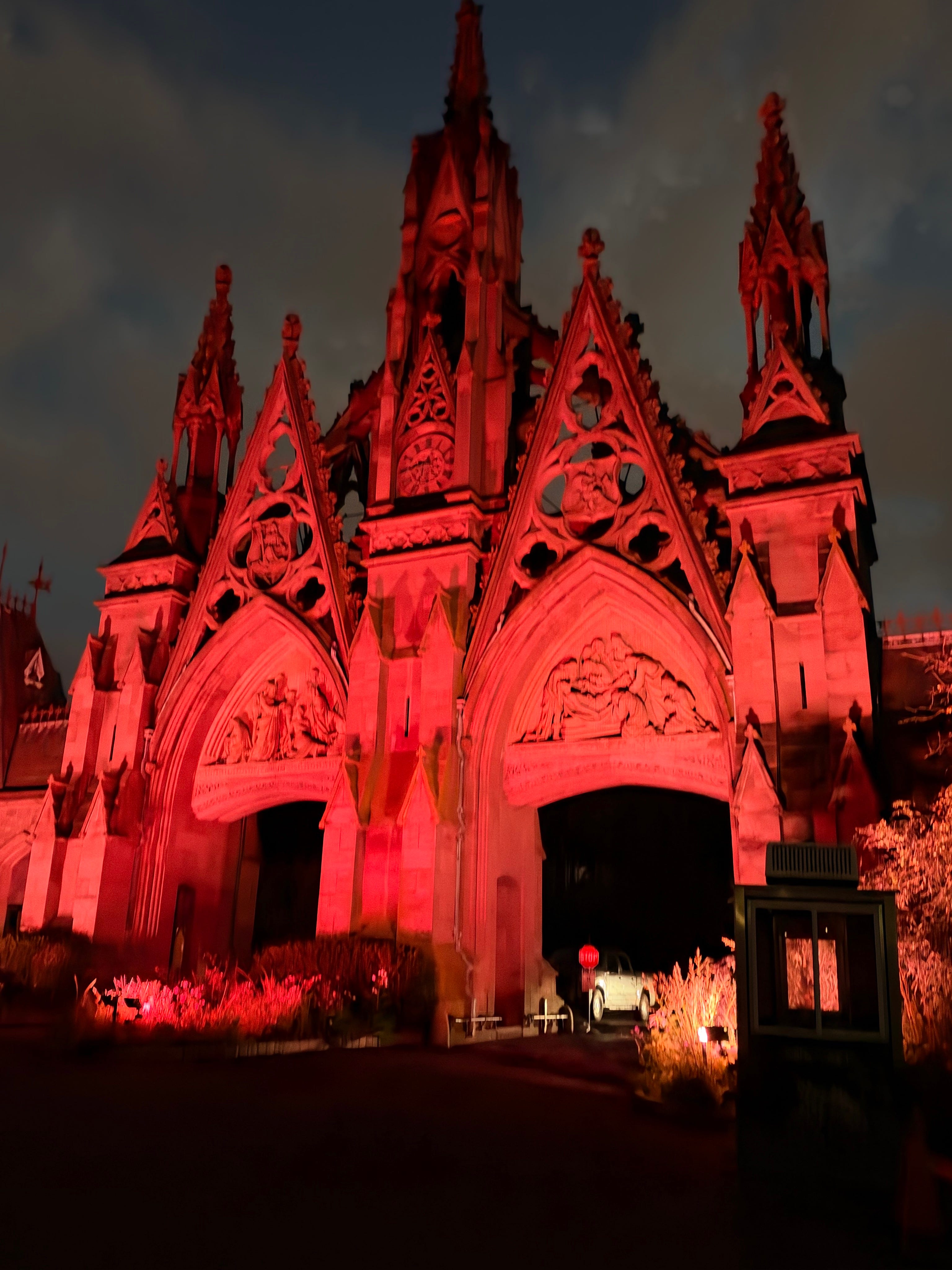
I’d been looking forward to it. I figured a nighttime cemetery tour in October would involve some spooky stories, maybe a ghost or two, and a little something to make the hair stand up on the back of your neck.
Well, apparently the ghosts had the evening off.
Perhaps they were stuck on the N train.
Instead, we got something I hadn’t entirely expected: one of the most fascinating experiences of our trip.
Green-Wood is enormous, with rolling hills, beautiful old trees, winding paths, and some truly remarkable monuments.
And here’s something I found particularly interesting.
At one time, visiting Green-Wood was one of the most popular tourist activities in America.
People actually came here for pleasure outings.
To a cemetery.
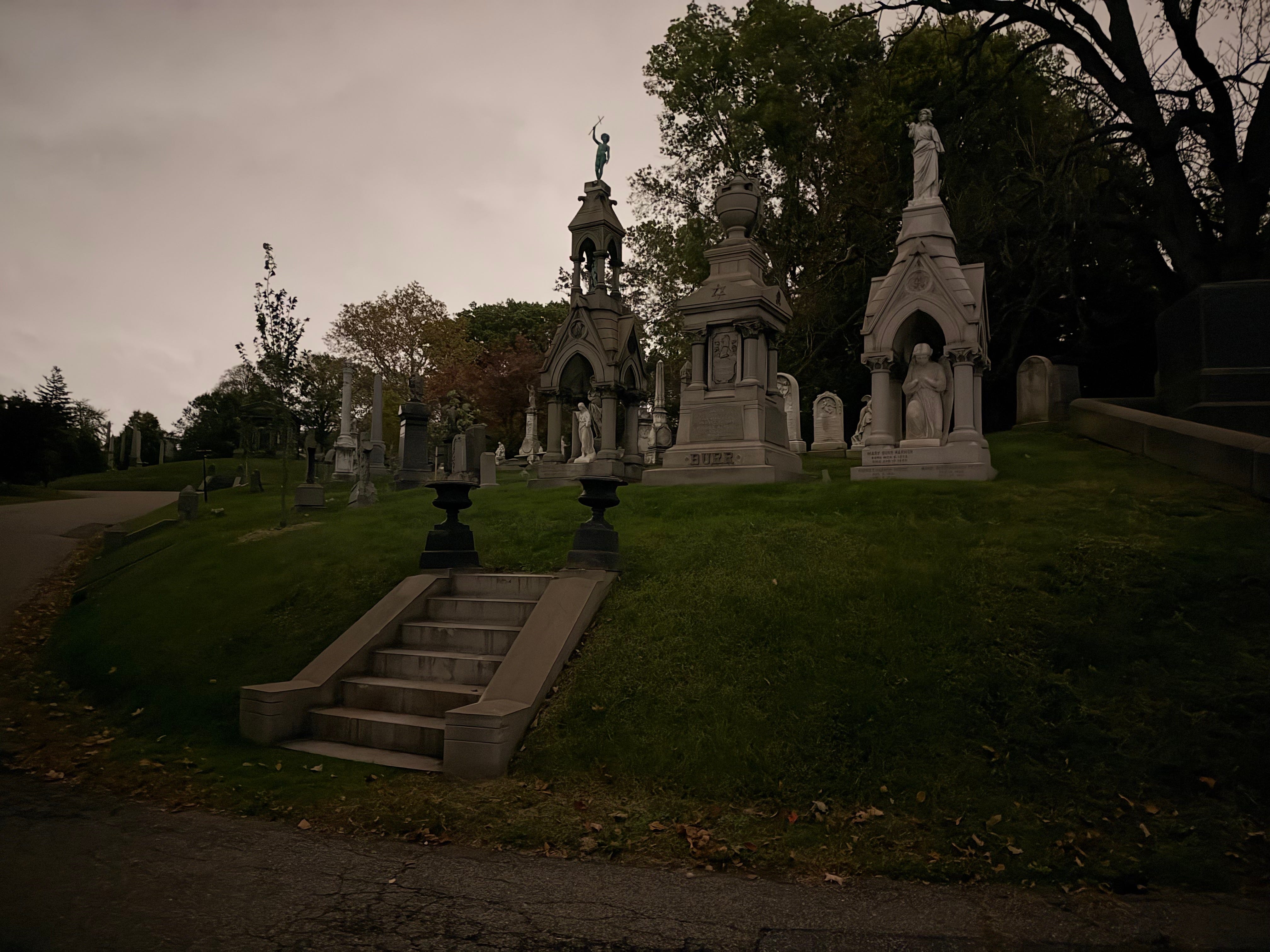
Apparently, in the 1800s, if you weren’t heading to Niagara Falls, you might be spending your afternoon among the tombstones.
And we thought our vacation itinerary was unusual.
I suppose the nineteenth century had fewer escape rooms.
Our guide was terrific. He clearly loved the place and had a wonderful sense of humor, which made the evening much more entertaining than I expected.
We heard stories about some of the colorful characters buried there, including Boss Tweed, the famously corrupt New York political boss.
We learned about the city’s wealthy families, the elaborate monuments they built, and the fascinating ways people used to approach death and remembrance.
Some of those monuments were so elaborate they made me wonder whether the deceased had been buried or simply given a permanent luxury apartment.
But what I enjoyed most was how these stories brought old New York to life.
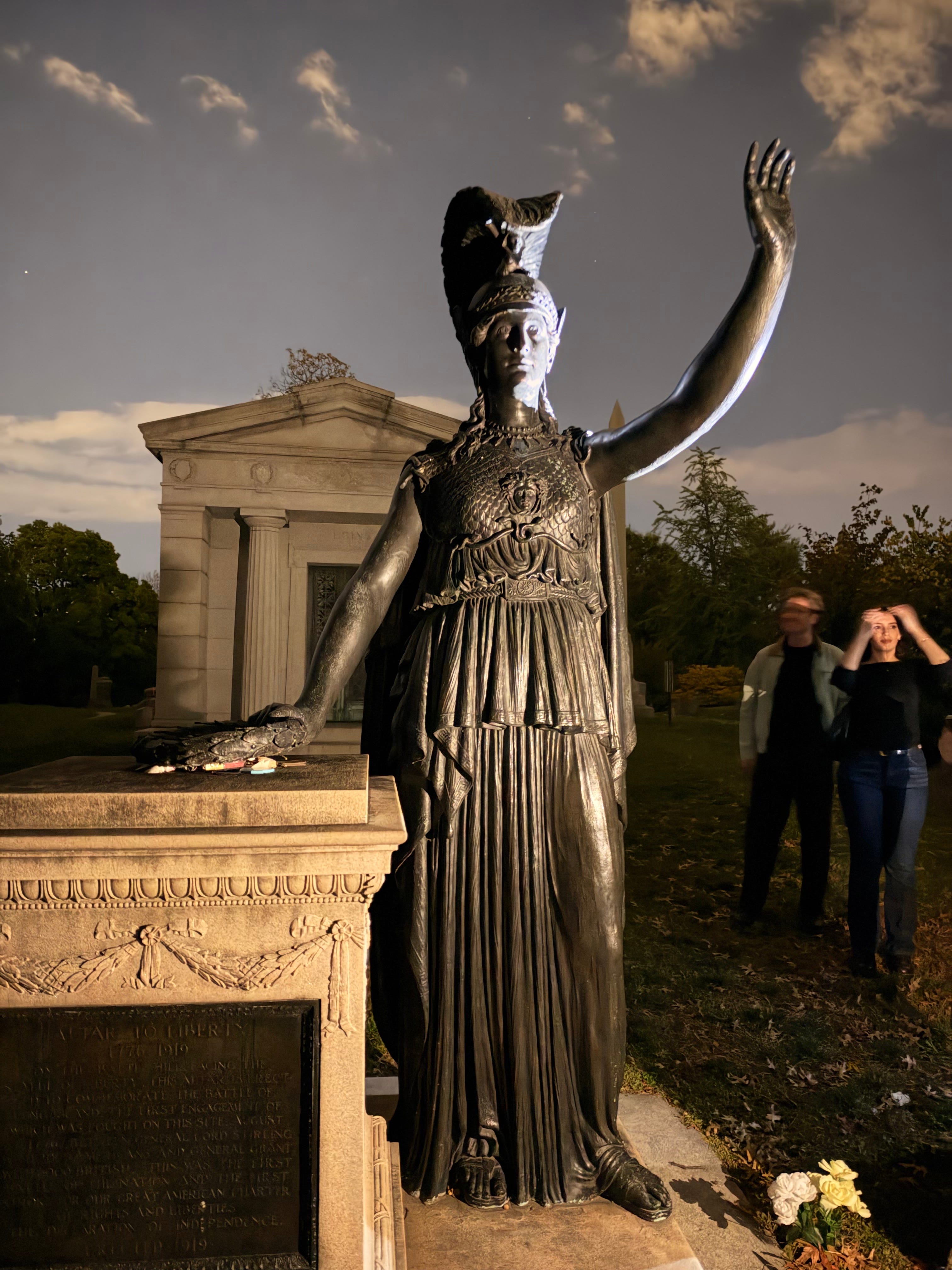
You start to realize that beneath all the skyscrapers, traffic, and millions of people rushing around, there’s an extraordinary amount of history.
And Green-Wood is full of it.
The evening itself was perfect for a cemetery tour.
Dark.
Windy.
A little chilly.
The old monuments rose out of the shadows, and the paths disappeared into the darkness.
It should have been spooky.
But instead, it was beautiful.
At one point, we looked out across the cemetery toward Manhattan.
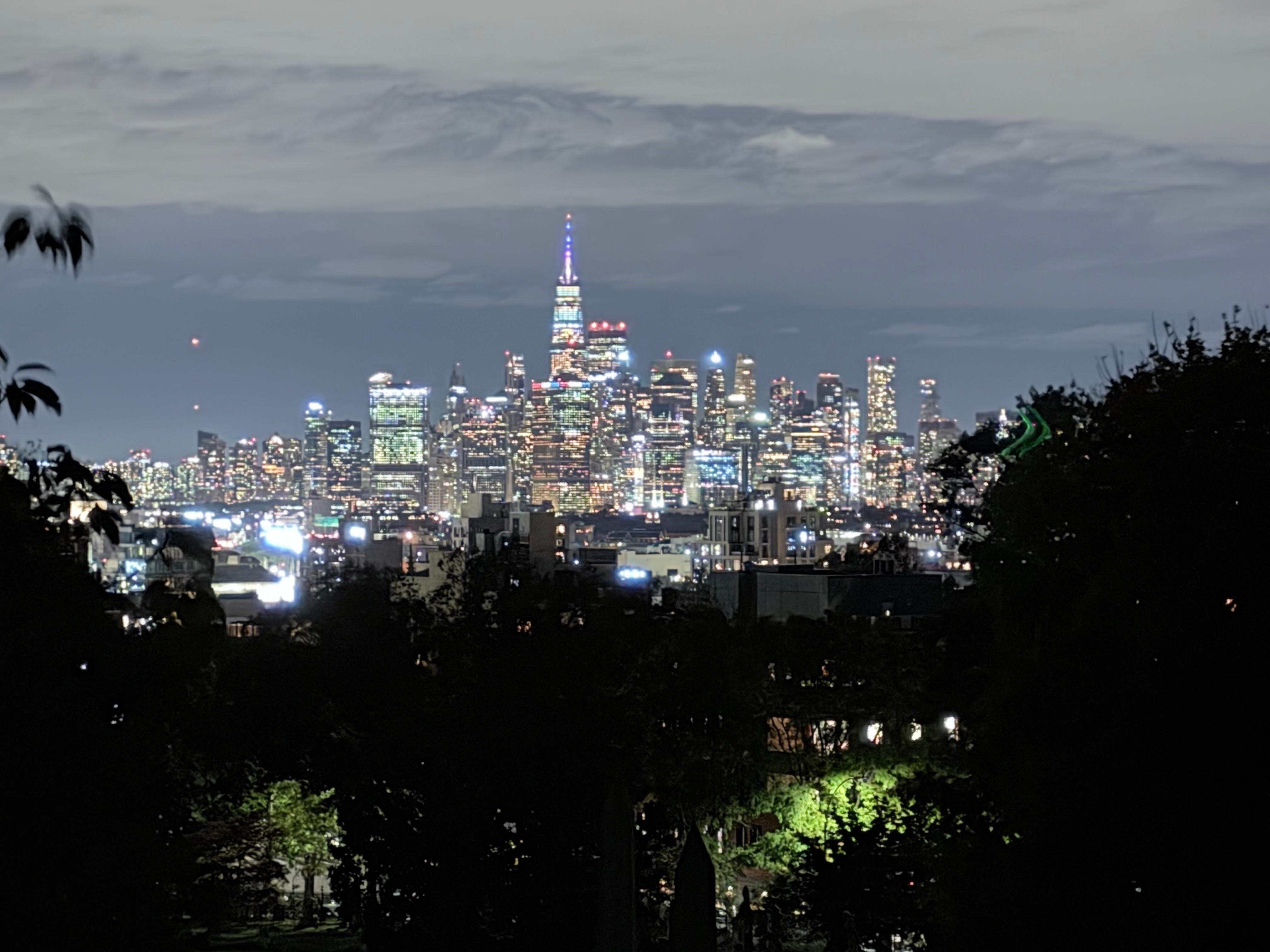
There, beyond the dark hills and gravestones, was the New York skyline, glowing against the night sky.
It was breathtaking.
For a moment, I found myself thinking about all the people buried around us—people who had lived in this city generations ago, helped shape it, and had their own families, ambitions, successes, and failures.
And there was New York, still shining in the distance.
Still growing.
Still changing.
Still very much alive.
It was a surprisingly moving reminder that cities are built not only by the people currently rushing through them, but also by generations of people who came before.
And, occasionally, by tourists who get lost on the subway and arrive hungry.
I’d come hoping for a few ghosts.
Instead, I found myself completely captivated by the history.
Not a bad trade.
By the time we finished our evening at Green-Wood, we’d logged an astonishing 28,000 steps.
Twenty-eight thousand.
I’m beginning to think we’re not actually on vacation.
We’re participating in some sort of endurance competition that nobody bothered to tell us about.
My feet had officially resigned, my calves were considering legal action, and even my enthusiasm for exploring had reached its daily limit.
My body had entered a coalition government, and every department was demanding immediate funding.
So we did something sensible for a change.
We took the subway back to Manhattan.
And I’m happy to report that we made it back without accidentally visiting Queens.
At this point, that felt less like transportation and more like a personal achievement.
Looking back, Brooklyn gave us a little of everything: a famous bridge, fantastic pizza, interesting neighborhoods, good beer, a wonderful little Mexican restaurant, and an unexpectedly memorable evening in a cemetery.
It was exactly the kind of day I love when we travel.
We had a few things planned, but some of the best moments happened along the way.
No Mamdani T-shirt.
No brewery T-shirt.
No ghosts.
But plenty of good stories.
And a growing suspicion that New York’s official tourism slogan should be: “You’ll have fun, but first you’ll walk.”
Tomorrow, we’re planning to explore Chelsea, Greenwich Village, and the East Village.
We’re also hoping to catch up with some close friends who flew into New York tonight, which would be a wonderful addition to the weekend.
For now, though, it’s time to put our feet up and recover.
Brooklyn, you did good.
And New York, if you could arrange for tomorrow’s adventures to involve a few more chairs, my feet would be eternally grateful.